10 Things You Actually Need in a Tiny Home
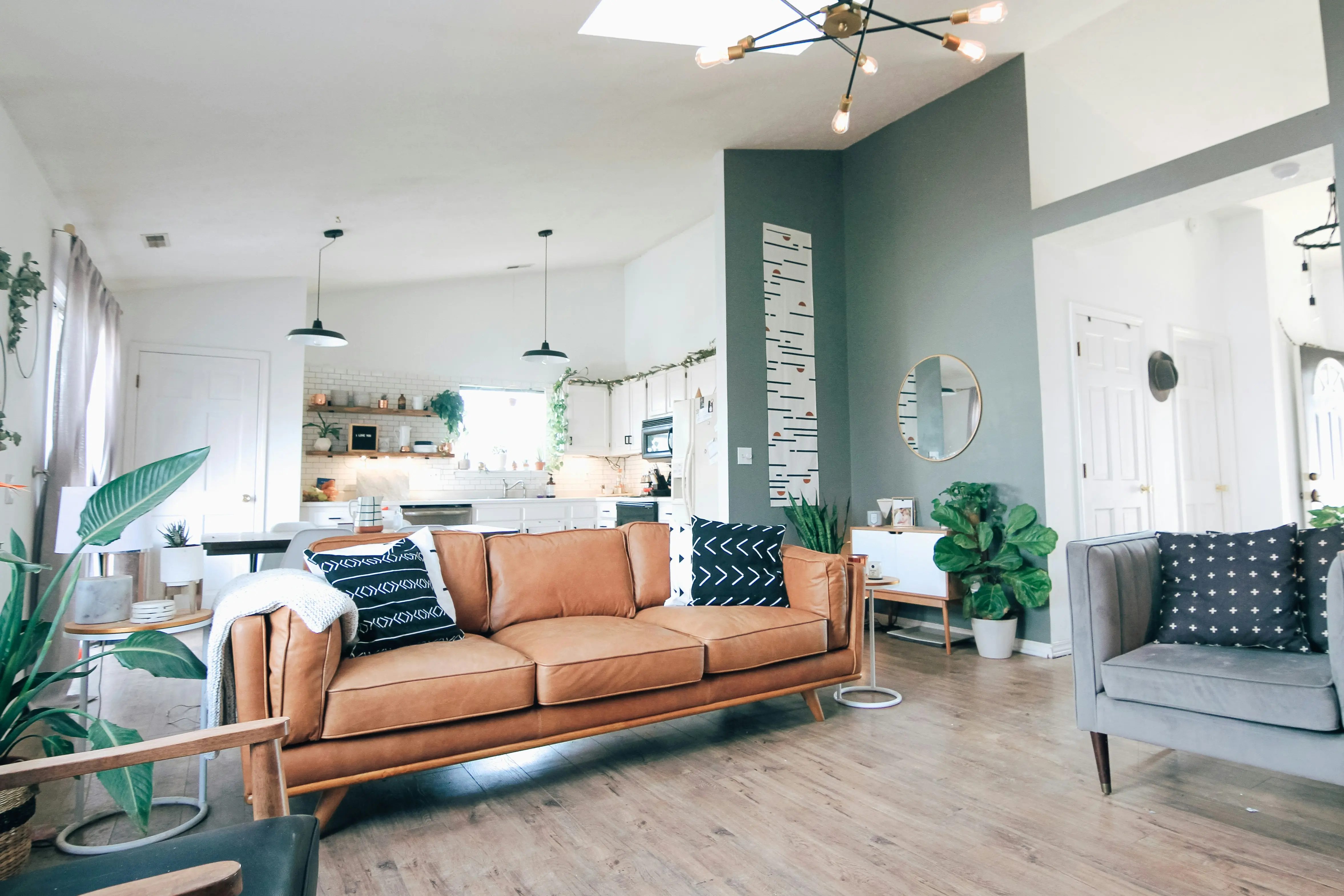
When I moved into my 180 sq ft tiny home, I made a classic mistake: I tried to bring everything from my apartment. Within a week, I couldn't walk without tripping over stuff. The truth is, tiny living isn't about fitting your old life into a smaller space — it's about redesigning your life entirely.
After 3 years of tiny house living and helping dozens of others make the transition, here are the 10 things you actually need — and what you can confidently leave behind.
🧠 The Mindset Shift
Before we get to the list, understand this: every item in a tiny home must serve at least two purposes or it's clutter. The question isn't "Will I use this?" but "Is this earning its square footage?"
A Murphy Bed or Loft Bed
Your bed takes up 30-40 sq ft of floor space. That's 20% of your entire tiny home! A Murphy bed folds up against the wall, giving you that space back during the day. A loft bed frees up the entire floor below for a living room or workspace.
Budget option: Build your own loft frame with 2x4s (~$80 in lumber).
Premium option: Bestar Versatile Murphy Bed — space-saving with built-in shelves.
A Foldable Dining Table
You don't need a dedicated dining room. A wall-mounted drop-leaf table gives you a workspace by day and a dinner table by night. When not in use, it folds flat against the wall — zero floor space wasted.
Pro tip: Pair it with nesting stools that stack inside each other.
A Quality Composting Toilet
Trust me on this one. A composting toilet eliminates the need for plumbing, black water tanks, and RV dump stations. Modern ones are odorless, easy to clean, and last for years.
🚽 Nature's Head Composting Toilet →A Solar Generator (Dual-Purpose)
This is the single best investment you can make. A solar generator powers your build during construction, then becomes your tiny home's primary power system. The Jackery 1000 v2 runs lights, a mini-fridge, laptop, and phone charging for 2-3 days on a full charge.
☀️ Jackery Explorer 1000 v2 →Stackable Storage Bins
The #1 organizational tool for tiny homes. Get uniform, clear bins so you can see what's inside. Use them under the bed, in the loft, and in cabinets. Label everything. When you can't remember what's in a bin, it's time to donate.
A Propane Cooktop (Not Electric)
Electric stoves draw massive power — you'd need a huge solar setup to run one. Propane is cheaper, more efficient, and works off-grid. The Camp Chef Everest is the tiny home community's top choice.
🔥 Camp Chef Everest 2-Burner Stove →A Multi-Tool Kitchen Set
Not single-use gadgets. A good chef's knife, a cast iron skillet, a cutting board that fits over the sink, and nesting bowls. That's 90% of cooking covered. No bread machines, no Instant Pots, no waffle makers.
Wall-Mounted Shelving Everywhere
In a tiny home, walls are prime real estate. Install floating shelves above every door, window, and counter. Use magnetic strips for knives and tools. Hang pots and pans. Every vertical inch counts.
An Outdoor Living Zone
Your tiny home feels 3x bigger when you have a deck, patio, or awning outside. A folding chair, a small table, and a rug create an "outdoor room" that extends your living space. Plus, you'll spend more time outside, which is the whole point.
The Right Mindset (The Most Important One)
You don't need a bigger space. You need to be okay with less. Tiny living forces you to confront your consumer habits. You'll learn that experiences matter more than things, that outdoors is your living room, and that freedom is worth more than square footage.
❌ What You DON'T Need
- A sofa (use floor cushions or a bench)
- A coffee table (use nesting side tables)
- A TV (use a laptop or tablet)
- A traditional oven (get a toaster oven or portable convection oven)
- Exercise equipment (run outside)
- Seasonal decorations (digital only)

📘 The #1 Tiny House Book on Amazon
Tiny House: Designing, Building & Living covers everything — floor plans, zoning, utilities, and 200+ photos of real tiny homes.
Buy on Amazon →📊 The 80/20 Rule of Tiny Living
Here's a pattern I've seen in every successful tiny home: you'll use 20% of your stuff 80% of the time. The other 80%? It's either seasonal, sentimental, or "just in case" — and it's stealing your space.
My rule: if you haven't used something in 3 months, sell it or donate it. If you haven't worn a piece of clothing in 6 months, it goes. This simple rule keeps your tiny home feeling spacious and peaceful.
📥 Get Your Tiny Home Starter Kit
5 floor plans, full budget calculator, zoning checklist & 30-day action plan — free.
Download Free Kit💡 Final Tip: The 30-Day Challenge
Before you move into your tiny home, live out of a single suitcase and a backpack for 30 days. Everything you truly need will fit. Everything else is optional. It's the best preparation you can do.
Disclosure: This post contains affiliate links. If you purchase through these links, we may earn a small commission at no extra cost to you. We only recommend products we personally use and trust.